
Project

E-museum — Kazakhstan's National Digital Museum Platform

A national portal uniting all of Kazakhstan's museums and their collections in a single digital space — with 3D models, virtual tours, and a state catalogue

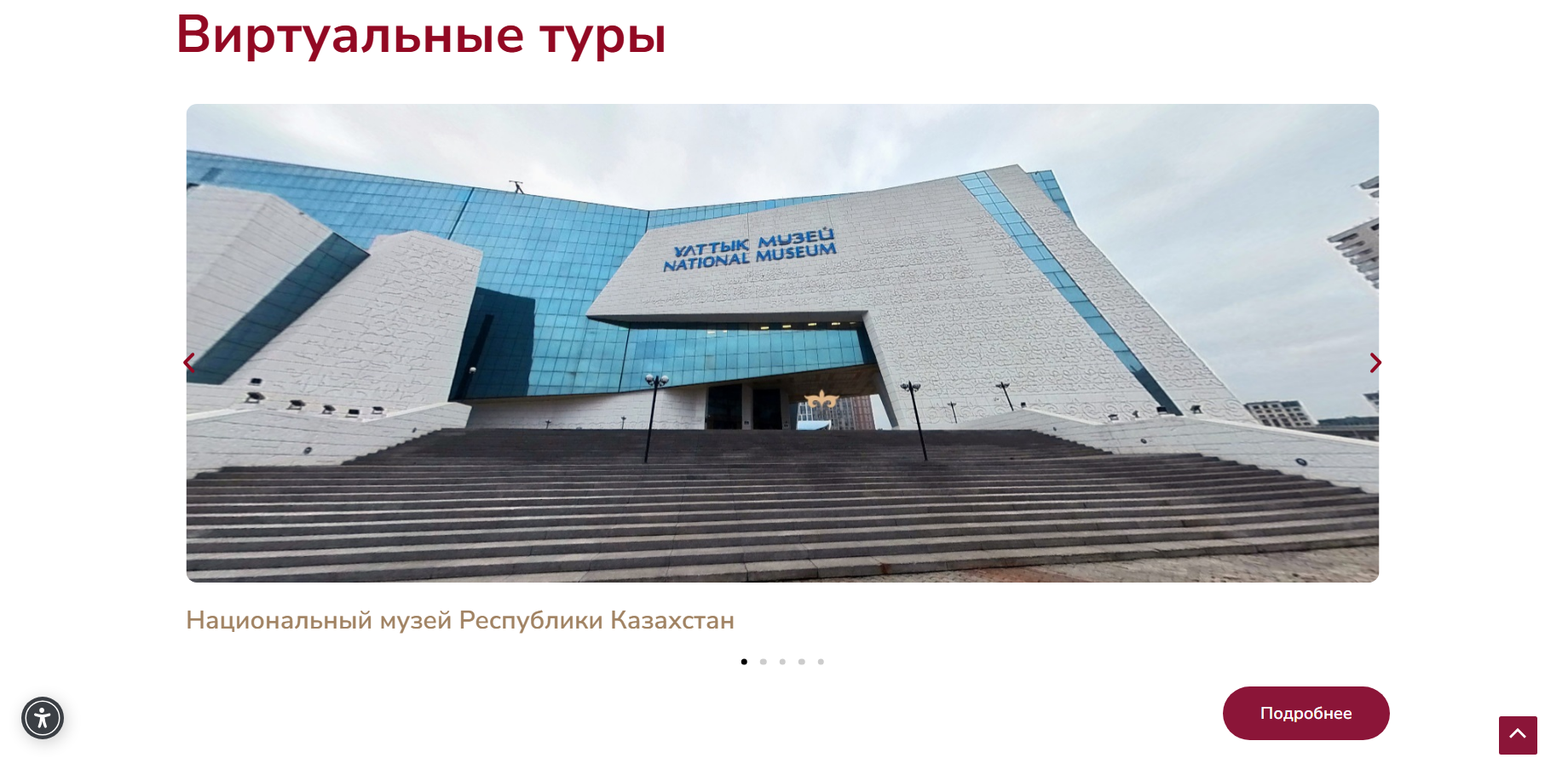
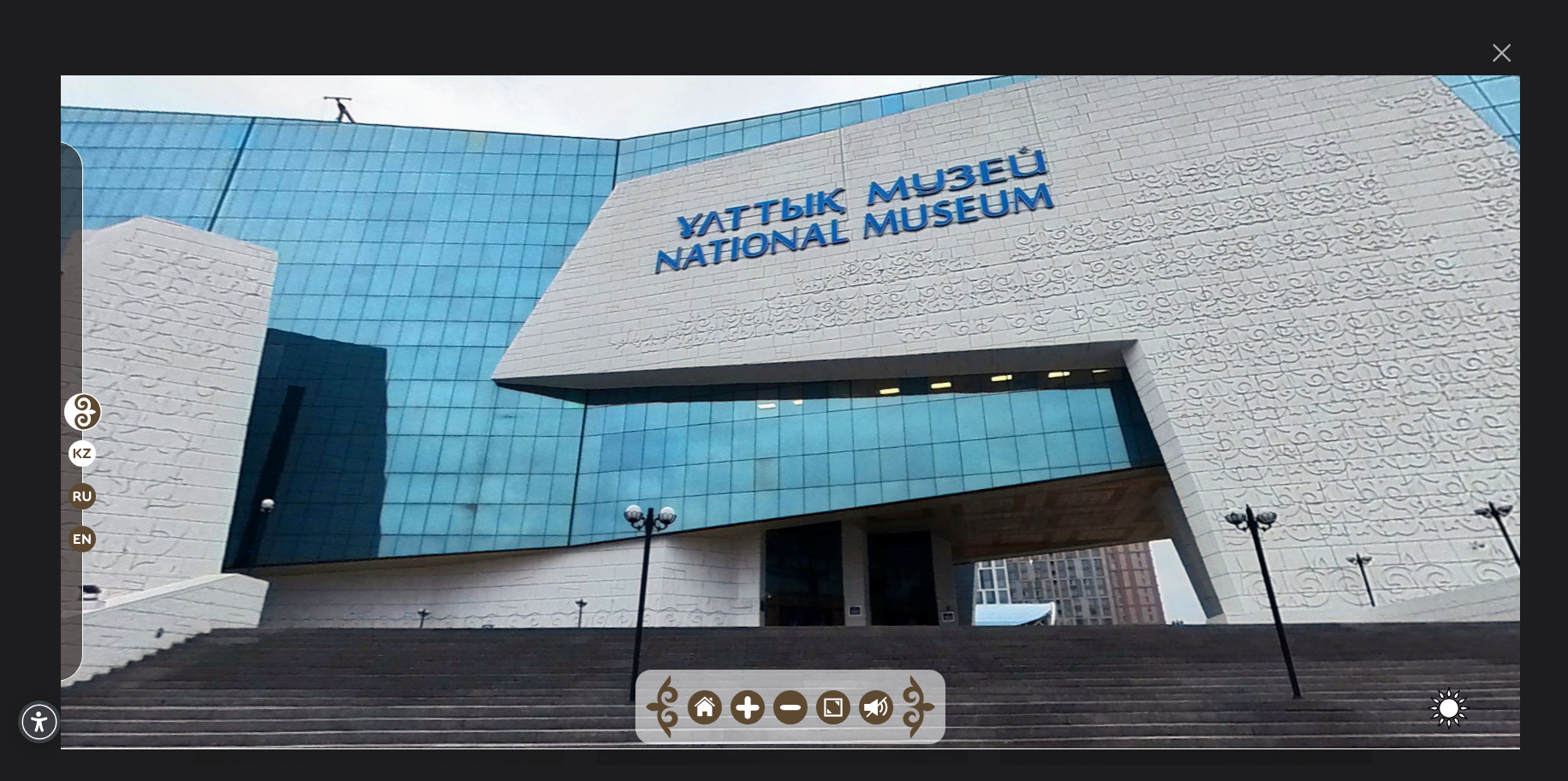
Национальный музей Республики Казахстан In progress
E-museum — Kazakhstan's National Digital Museum Platform
Task

Client brief

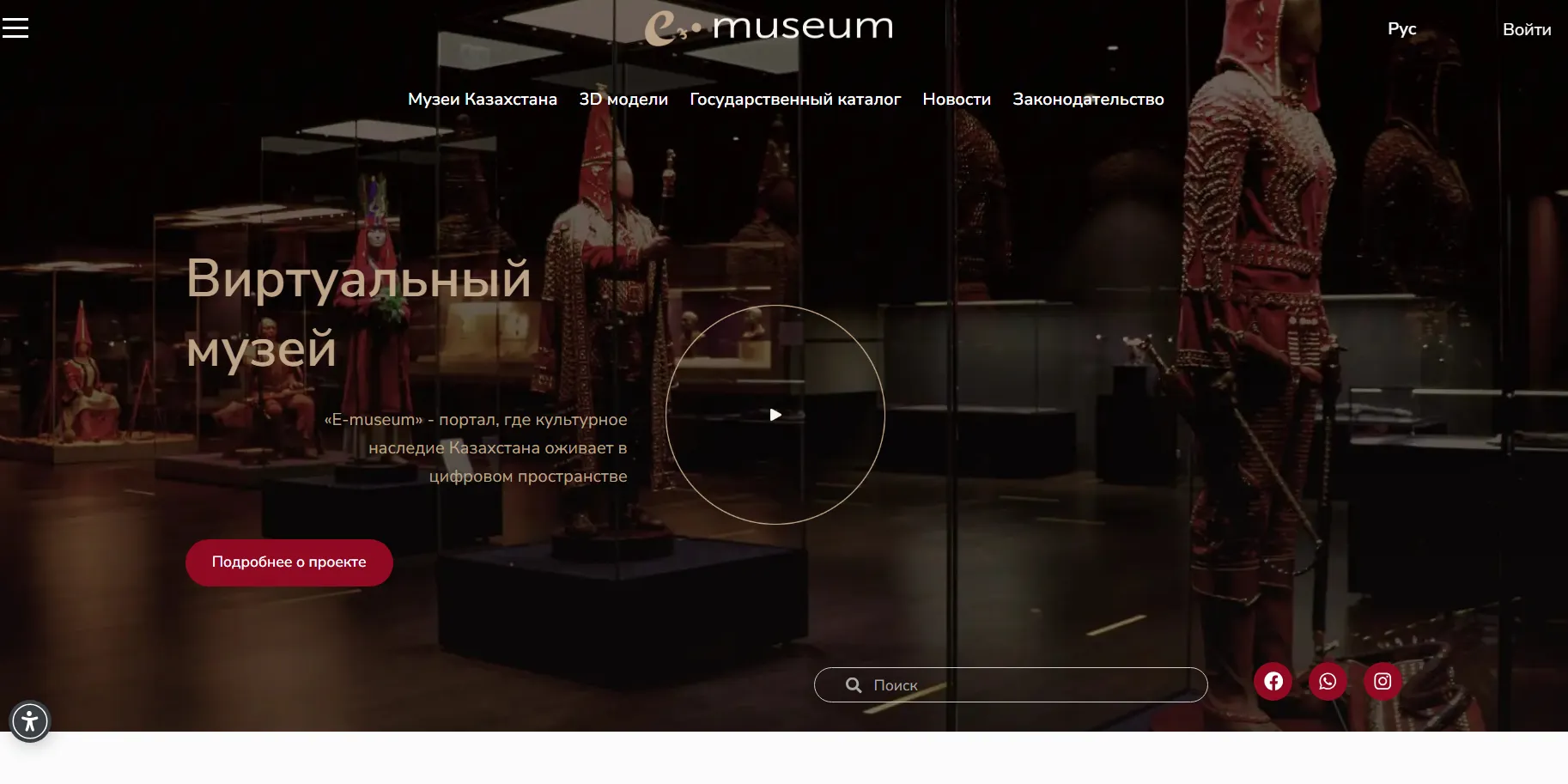
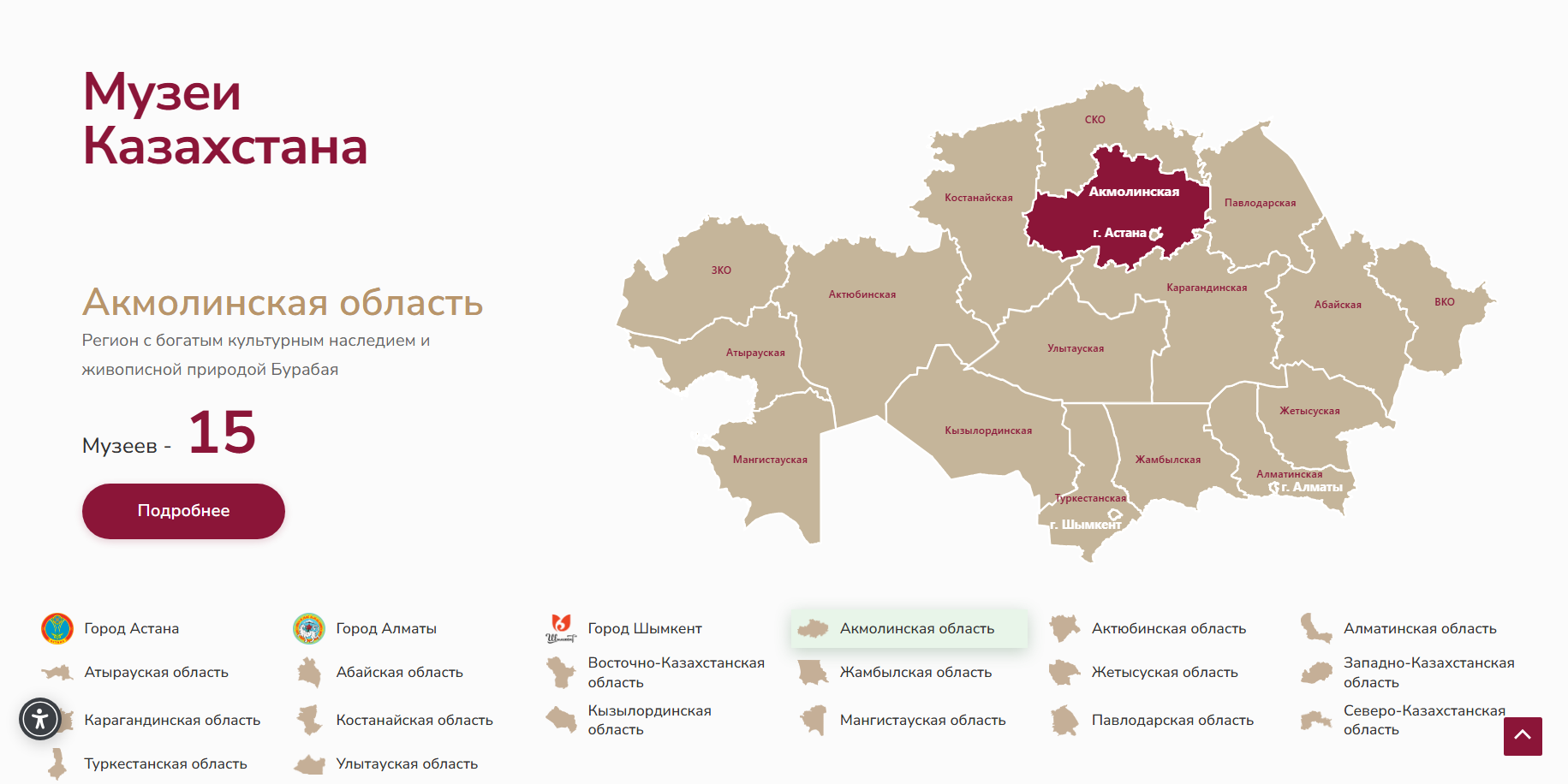
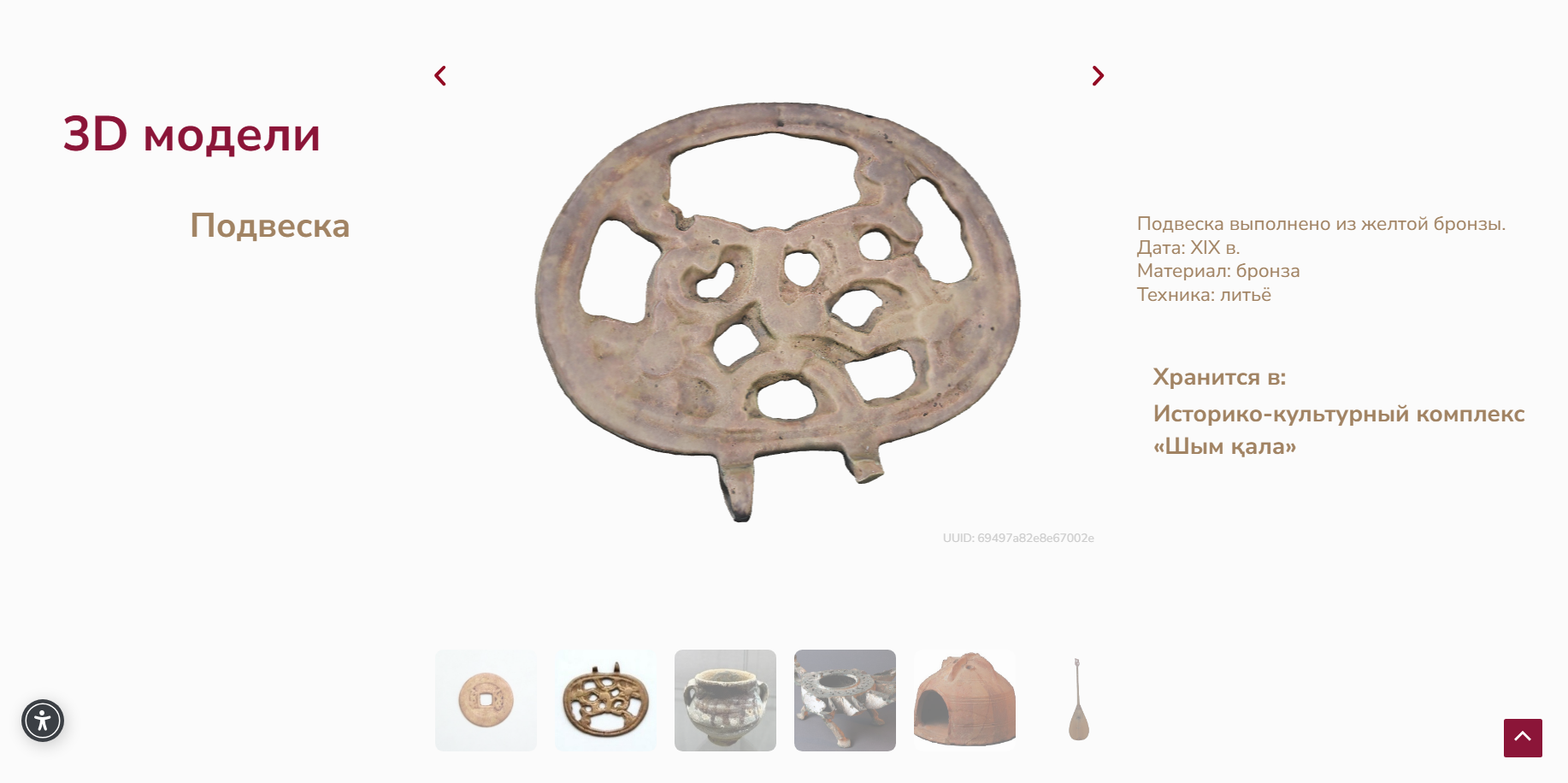
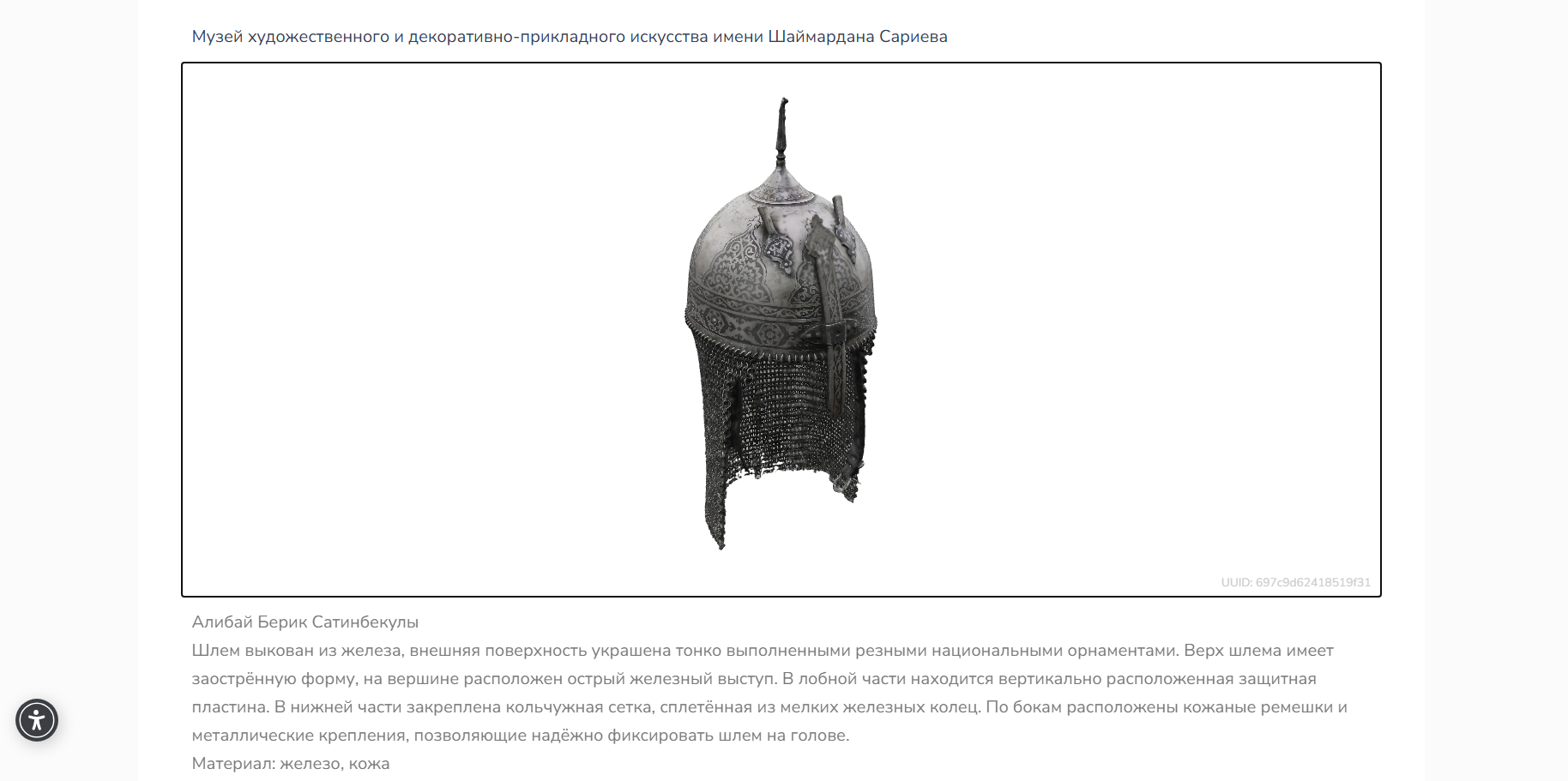
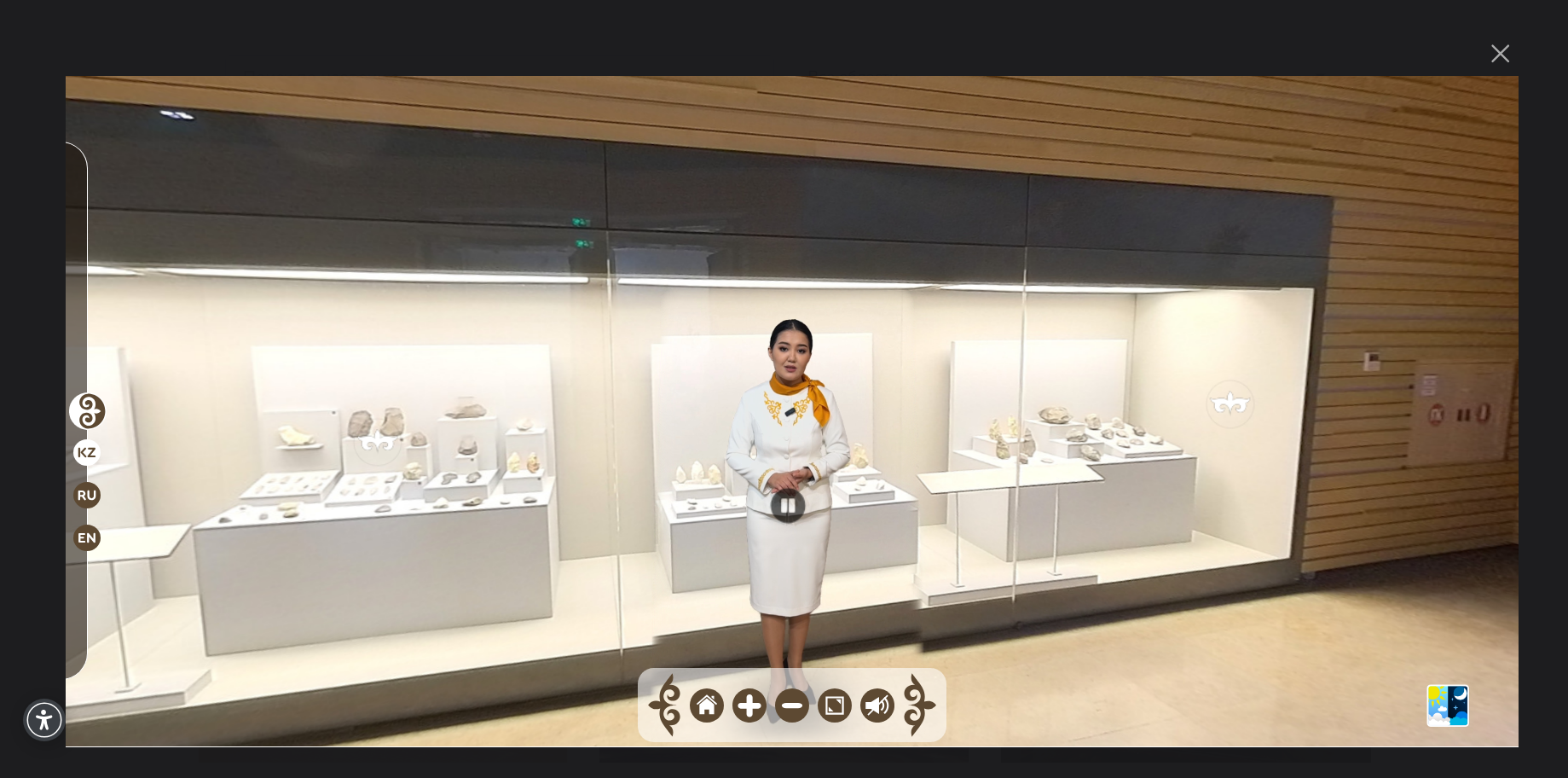
E-museum is Kazakhstan's national digital platform bringing together museums from across the country and records of their collections. The client is the National Museum of the Republic of Kazakhstan. Launch — 2026. The platform covers all 17 regions and 3 cities of national significance. It includes: a regional catalogue of Kazakhstan's museums, a library of 3D models of exhibits, virtual museum tours, a state catalogue of exhibits, a news section, and a legislation section. The interface is available in three languages — Kazakh, Russian, and English. Museum editors and staff have access to a dedicated CRM system on a separate subdomain. We built everything from scratch: platform architecture, development, design, and on-site shoots for 3D models and virtual tours.
Outcome

What we shipped

Launched Kazakhstan's national digital museum platform. Coverage — all 17 regions and 3 cities of national significance. In-house produced content — dozens of 3D models and virtual tours of museums across the country. Developed a dedicated CRM system for museum staff to manage content. Implemented a trilingual interface (KZ / RU / EN).
Solution

How we did it

Before E-museum, we built websites for individual museums — Saraishyk, Aliya Moldagulova, Shaymardан Sariyev. This was a different scale: a single platform for the whole country, commissioned by the National Museum. The challenges were concrete. First — architecture for national coverage: 20 administrative units, varying data volumes by region, two user roles (portal visitors and museum staff via CRM). Second — in-house content production: we shot the virtual tours and 3D models ourselves, travelling to museums across the regions. Third — trilingual support for a national-level platform: every section was translated and adapted individually, without machine-translation templates. We shot with Insta360 and Canon, processed in Pano2VR and Agisoft Metashape, and finished the models in Cinema 4D. That meant dozens of field trips and hundreds of hours of post-production. We didn't purchase ready-made content — we built our own library from scratch. The CRM system for museum staff was deployed separately from the main portal. This allowed us to create a flexible editing interface without adding load to the public-facing side.

Ready to launch your project?

Contact us and we'll propose the best solution for your needs.